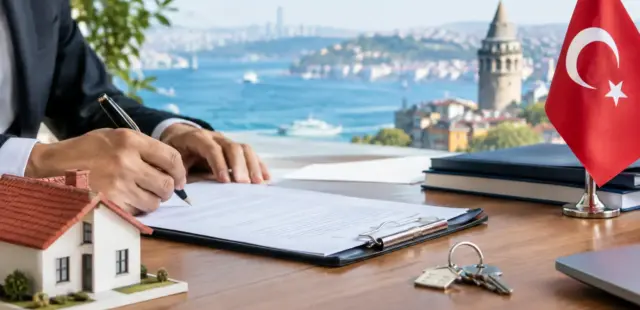


An apartment with a panoramic view of the Mediterranean Sea may look perfect in a brochure, but only an on-site visit reveals what really matters: how far the beach actually is, whether the area is noisy in the evening, who lives nearby, how the property management company operates, and whether the neighborhood has rental potential. That is why a property familiarization tour to Turkey is not a tourist trip with a few viewings, but a working stage before making an investment decision.
For buyers choosing between a family home, a resort residence, and an income-generating asset, being there in person removes many assumptions. It allows them to compare not renderings but actual construction quality, the atmosphere of the location, transport accessibility, the composition of residents in the complex, and the development prospects of the area. A well-organized trip turns several days in Turkey into a clear path toward a well-considered transaction.

What Is the Purpose of a Property Familiarization Tour to Turkey
The main purpose of the tour is not to view as many apartments as possible. You can visit ten properties in one day and still be no closer to making a purchase. The result comes from preliminary selection based on budget, investment objectives, holding period, and personal requirements. This allows the client to compare several relevant scenarios during the viewings rather than wasting time on random options.
For example, apartments in Alanya near the sea may be suitable for personal holidays and seasonal rentals. A property in central Antalya often follows a different logic: more stable demand for long-term rentals but a higher entry price. Istanbul is interesting for capital appreciation, the business market, and transport hubs, while Bodrum or Fethiye are more often chosen for a premium lifestyle and high seasonal rental rates. There is no single “best” city — there is a city and property format that match your objectives.
During the trip, buyers can check things that a video call cannot convey: finishing quality, water pressure, the condition of common areas, the view from a specific floor, noise levels, nearby smells, pool occupancy, and parking availability. For investors, it is equally important to see the actual surroundings: shops, schools, hospitals, restaurants, the waterfront, public transport stops, and the pace of development in the area.
What Should Happen Before the Flight
A productive property tour begins not at the airport but with a detailed consultation. The buyer needs to determine not only the purchase budget but also additional expenses, furnishing costs, annual maintenance, and potential rental management. It is important to identify the main priority from the start: personal residence, rental income, capital preservation, resale after price appreciation, or an immigration objective.
A shortlist is then prepared. It is useful to include different types of properties: a completed apartment for immediate occupancy, a new development with potential for capital appreciation, and, if necessary, an option in a stronger location with a higher budget. This comparison helps buyers understand not simply which offer is cheaper but what exactly they are paying for.
Before the trip, it is worth requesting basic information about each candidate: documented area, floor plan, construction year or completion date, complex amenities, monthly aidat — the maintenance fee, an estimated rental scenario, and payment terms. If the property is under construction, the payment schedule, developer’s responsibilities, finishing specifications, and apartment handover procedure should be discussed separately.
Turkey Property Group organizes the route after this preliminary analysis so that the itinerary includes not simply attractive residential complexes but properties that match the client’s financial model. This is especially important when the time in Turkey is limited to just a few days.
How the Familiarization Trip Works
The first day is usually devoted to getting acquainted with the neighborhoods and viewing the main options. The order matters: it is useful to see locations with different lifestyles first and only then compare individual apartments. An area that feels comfortable for a two-hour visit may not necessarily be suitable for permanent residence or for tenants with children.
Further viewings should be conducted without rushing. In a completed residential complex, buyers assess not only the apartment itself but also the grounds, reception, elevators, gym, swimming pool, beach access, service level, and actual condition of the building. In a new development, it is important to visit the construction site, observe the pace of work, and see completed projects by the same developer.
What Questions Should You Ask During a Viewing
Buyers have the right to receive specific answers rather than general promises. They should clarify whether the apartment matches the stated area, what exactly is included in the price, what expenses will arise after ownership registration, whether short-term rentals are permitted, and who can manage the property.
If the property is being considered as an investment, ask to see the logic behind the income calculation. A projected rental return of 8–12% per year may be realistic for certain resort properties, but it depends on the season, location, complex class, occupancy, management company commission, and owner expenses. The maximum projected yield should not be treated as a guaranteed result. It is much more useful to see conservative, base, and optimistic scenarios.
Liquidity should also be assessed separately. An attractive apartment with an unusual layout, excessive aidat, or poor transport accessibility may be difficult to resell. A liquid asset generally has clear demand: a practical size, a popular location, quality construction, transparent documentation, and a reasonable price compared with similar properties.
From Viewing to Reservation
Once one or two properties become favorites, the process shifts from an emotional choice to a detailed review. Specialists analyze the documents, ownership status, contractual terms, payment procedure, existing encumbrances, and technical characteristics of the property. For new developments, the developer’s reputation and compliance of the contract with the stated terms are also assessed.
A reservation may make sense if the apartment genuinely meets your criteria and there is a risk that another buyer will purchase it. However, funds should only be transferred after the refund terms for the deposit, deadline for signing the main agreement, and list of documents to be provided by the seller are clear.
The average completion process for a finished property may take around 20 days, but the timeline depends on the payment method, document readiness, government authorities’ schedules, and transaction structure. Some stages can be continued remotely through a power of attorney. This is convenient for international buyers but does not eliminate the need for legal oversight and disciplined financial management.
Do Not Confuse a Familiarization Tour with an Obligation to Buy
A familiarization trip should provide confidence, not pressure. Sometimes its best result is the decision to postpone the purchase, change cities, revise the budget, or choose a completed property instead of a new development. Such a conclusion also protects capital.
A property should not be chosen simply because it looked appealing during a holiday. The sea, sunshine, and terrace view can remain part of the decision, but they should be considered alongside the numbers: price per square meter, maintenance costs, rental demand, resale potential, and legal transparency of the transaction.
When planning the trip, leave time not only for viewings but also for a second visit to the chosen complex at a different time of day. An evening in the neighborhood can often tell you more about future living conditions or rental prospects than the most polished presentation. It is through these checks that property ownership becomes not a fleeting emotional experience but a source of comfort, income, and peace of mind for the capital invested.