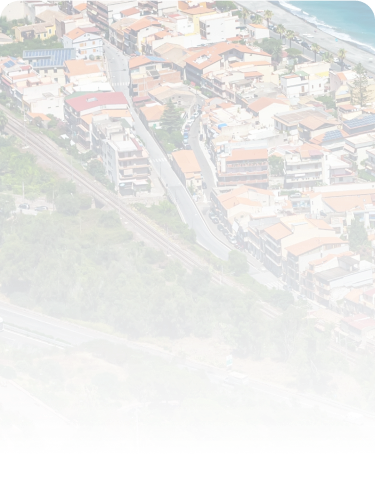



An apartment overlooking the Mediterranean Sea, a modern residence with a swimming pool, or an apartment in the center of Istanbul can be a strong asset for living and investment. However, an attractive price, panoramic windows, and promises of rental income cannot replace proper documentation. Legal due diligence of an apartment in Turkey determines whether you are purchasing liquid real estate with clear ownership rights or acquiring someone else’s debts, restrictions, or a complicated ownership transfer process along with it.
For a foreign buyer, this is not a formality. The Turkish registration system differs from Ukrainian practice and many European systems: the key importance lies in the state land registry records and the Tapu document. That is why verification should be carried out before making a significant advance payment, signing an agreement, and especially before transferring the full purchase amount.

What Legal Due Diligence of an Apartment in Turkey Provides
The main purpose of verification is to confirm that the seller has the legal right to dispose of the property and that the apartment matches the declared characteristics. Advertisements may show the gross area, an attractive residential complex name, and projected rental yields of up to 12% per year. However, official documents must match in terms of address, plot number, property status, area, owner details, and type of ownership right.
The verification also reveals whether the property has a mortgage, seizure, court restrictions, third-party usage rights, or other encumbrances. Some risks can be removed by the seller before the transaction, but this must be explicitly recorded in the agreement and monitored on the day ownership is transferred.
For investors, legal transparency directly affects future liquidity. An apartment with a correct Tapu, a commissioned building, transparent expenses, and a clear legal status is easier to rent out, resell, or use as part of an immigration strategy. If the goal is obtaining a residence permit or citizenship through investment, the requirements for the property, value, and supporting documents must be checked separately according to the current regulations on the transaction date.
Tapu: A Document That Should Not Be Judged by Appearance Alone
Tapu is the main document confirming registered ownership of real estate in Turkey. Its presence alone does not mean that the apartment can be purchased without further checks. A specialist compares Tapu information with land registry data and verifies exactly who is listed as the owner.
Special attention is paid to the type of ownership status. For a completed apartment, the preferred option is usually kat mülkiyeti — full ownership rights to an individual apartment. Kat irtifakı refers to a preliminary ownership status connected with the future independent unit in a building. This is not always a problem, especially in new developments, but the buyer must understand the reason for this status, the stage of registration, and the expected timeline for conversion.
If the property is sold not by the owner but by a representative, the notarized power of attorney must be checked. It must be valid, specifically authorize the sale of this particular property, and include the necessary powers. It is risky to transfer funds based only on verbal assurances from an agent, a relative of the owner, or a construction project co-investor.
Encumbrances, Debts, and Third-Party Rights
The land registry may contain information about mortgages, seizures, security measures, rights of way, or other restrictions. Sometimes this is a technical issue that the bank resolves alongside the transaction. In such cases, the payment procedure is crucial: what part of the funds goes toward debt repayment, when the restriction is removed, and at what moment ownership is transferred to the buyer.
Outstanding aidat payments — monthly maintenance fees for the residential complex — should also be checked separately. In premium residences with security, pools, spas, and underground parking, these costs can be significant. It is also worth checking payment status for electricity, water, gas, internet, and local taxes. The agreement should specify which debts are settled by the seller and which expenses become the buyer’s responsibility from a specific date.
New Developments: Checking More Than Just the Developer
Buying during construction often provides a lower initial price, flexible payment schedules, and potential capital appreciation. In strong locations such as Alanya, Antalya, Mersin, or Istanbul, price growth before completion can be significant. However, legal due diligence for a new development requires more attention than purchasing a completed apartment.
It is necessary to establish who owns the land, whether the developer has the authority to implement the project, whether construction permits have been issued, and whether the actual project matches the approved documentation. Buyers should verify exactly what is included in the price: ownership rights to the apartment, parking space, storage room, furniture package, and utility connections. Yacht club renders or hotel-style lobbies are not legal guarantees if the infrastructure is not specified in the contract.
After construction is completed, the iskân — the occupancy permit confirming that the property has been commissioned — becomes important. Its absence may complicate full use of the apartment, utility connections, or future resale. Each situation is different: some projects complete documentation in stages, but the buyer needs clear explanations, developer responsibility, and a realistic timeline.
What Should Be Included in the Agreement with the Developer
The agreement should be understandable not only in Turkish. The buyer should receive a translation and understand what exactly they are paying for at each stage. Particular attention should be paid to the payment schedule, precise property description, completion date, acceptable area deviations, delay penalties, refund conditions, and the procedure for handing over the keys.
If rental income is part of your plan, check the residential complex rules in advance. Not every residence allows short-term rentals, and actual profitability depends not only on location but also on seasonality, management costs, taxes, platform commissions, and restrictions imposed by the management company.
Tapu Value, Payments, and Currency Documentation
A secure transaction is not only about choosing the right property but also ensuring transparent movement of funds. The contract price, bank transfers, declared Tapu value, and actual agreements between the parties should be logically connected. Artificially reducing the declared price to save on expenses can create problems during future resale, participation in investment programs, or proof of the source of funds.
Foreign buyers are subject to procedures related to currency exchange and supporting bank documents. Their requirements may change, so at the time of purchase it is necessary to obtain the current procedure specifically for your payment method. Cash payments or transfers to third-party accounts without documentary explanation increase risks and reduce financial transparency.
In addition to the apartment price, the budget should include registration taxes and fees, translation services, notarial procedures if required, DASK earthquake insurance, utility connections, and annual maintenance costs. The exact amount depends on the city, property type, transaction status, and current rates.
How Control Works Before Ownership Transfer
Professional support is not limited to checking document copies. Before the transaction date, specialists recheck the property status, seller information, and readiness of the package for the land registry office. This is especially important if several weeks have passed between reservation and completion.
On the day ownership is transferred, the parties complete the procedure at the Tapu Müdürlüğü — the state registration authority. Buyers who do not speak Turkish require proper language support to ensure that the content of documents and confirmations is fully understood before signing. Ownership rights arise after official registration, not after receiving keys, signing a private agreement, or receiving an advance payment receipt.
If you are purchasing remotely, the process can be organized through a properly prepared power of attorney. This is convenient for clients from Europe, the USA, Ukraine, and other countries, but only a trusted party with transparent reporting should be involved: document copies, approved payments, and a clear action plan.
When Extra Caution Is Needed
Additional verification is necessary if the seller insists on urgent payment, offers a significant discount only for cash, or refuses to provide original documents. Extra attention is required for apartments acquired through inheritance, divorce settlements, corporate ownership, or properties where the actual layout differs from the registered documentation.
Special rules may apply to certain districts, land plots, and purchases by foreign citizens. Therefore, it is impossible to provide one universal answer for every apartment in Turkey. Each property must be evaluated individually based on its location, seller status, and your goal: holidays, relocation, rental income, resale, or participation in an investment program.
Turkey Property Group supports clients from selecting a liquid property to completing ownership registration and handling post-purchase matters, ensuring that the decision to buy an apartment by the sea is based not on emotions from a viewing but on documents, figures, and a controlled transaction.
The best time to ask legal questions is before making a reservation. Request the documents, compare the terms with your investment goals, and give specialists enough time to verify the details. This is how a Turkish property becomes an asset that can be confidently owned, used, and passed on to your family.