

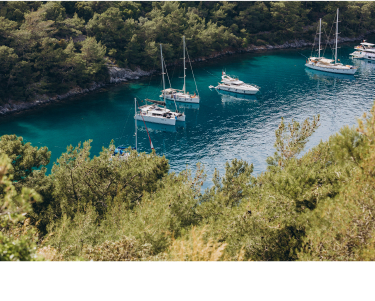
An apartment with a view of the Mediterranean, a swimming pool in the residence, and a lower price than a completed development — an attractive picture for an investor. But the question of whether it is safe to buy a new-build property in Turkey does not have a universal “yes” or “no” answer. Safety depends not so much on the country or beautiful renders as on the quality of the project itself, the developer’s reputation, the contract terms, and properly structured payment control.
The Turkish primary market offers real opportunities: buying at an early stage can bring capital appreciation before the development is completed, while new residences in resort cities often better match rental demand. At the same time, investors take on the risk of construction delays, changes in costs, and market conditions. That is why a new-build property should be purchased not as an emotional dream by the sea, but as an asset with a verified legal and financial model.

Is It Safe to Buy a New-Build Property in Turkey: What Determines the Risk
The main risk in the primary market is not the fact that construction is underway, but the specific developer and the specific land plot. One developer may have been handing over keys on time for years, have completed developments in Alanya, Antalya, or Mersin, and provide clear after-sales service. Another may attract buyers with a low starting price but delay completion, change specifications, or lack sufficient financing to finish the project.
A transaction becomes safer when, before paying a deposit, the developer’s rights to the land, permits, project parameters, construction schedule, and financial obligations of both parties have been verified. Advertising, active social media accounts, and a sales office do not replace these checks.
It is also important to distinguish construction risks from investment risks. Even a perfectly built development does not guarantee the expected return if the location is saturated with similar apartments, the layouts are inconvenient for renting, or the entry price is already too high. A purchase for personal holidays allows for more emotional considerations. A purchase for rental income or resale requires a more rational assessment of liquidity.
Checking the Developer: Look at Completed Projects, Not Promises
The most convincing indicator of reliability is a track record of completed developments. They should be inspected personally or through an independent representative: assess the quality of the facade and common areas, the operation of security, the pool and generator, and the condition of the grounds a year or two after residents have moved in. It is also useful to speak with owners rather than only with the sales manager.
Check how long the company has been operating, whether actual completion dates matched the announced ones, whether there have been court disputes, and how transparently the developer answers difficult questions. If the developer offers a price significantly below neighboring projects, this is not automatically a good opportunity. Sometimes a low price is explained by a weaker location or an early construction stage, but sometimes it reflects a lack of financing.
The concept also needs to be realistic. For an apartment intended for rental, liquidity is determined not only by a rooftop jacuzzi and designer lobby. It depends on the distance to the sea, transport, shops, beach and airport, as well as the layout, maintenance costs, and target audience of the development. A villa in a prestigious bay may be an excellent asset for personal use but have a narrower pool of potential buyers in an urgent resale.
Documents and Contract: Where Buyer Protection Is Established
Before signing the contract, it is necessary to establish who owns the land and whether the developer has the legal right to sell the project. A lawyer or specialist acting in the buyer’s interests checks cadastral data, possible encumbrances, mortgages, seizures, and restrictions on disposing of the land. The building permit and compliance of the stated specifications with the approved project should also be reviewed.
The purchase agreement should be clear not only in Turkish. The buyer should receive a translation and understand every provision before making a payment. The document should specify the exact apartment number, area, floor, specifications, price, payment currency, payment schedule, key handover date, and compensation terms in case of delay.
It is equally important to specify exactly what is included in the price. The advertising brochure may mention appliances, underfloor heating, air conditioners, or furnished bathrooms, but the specification and contract appendices have legal force for the buyer. If you are purchasing an investment property, clarify the expected monthly aidat — the maintenance fee for the development — in advance. High infrastructure and maintenance costs can reduce net rental yield.
Property ownership in Turkey is confirmed by TAPU. For properties under construction, its issuance depends on the completion status of the project and its legal status. The promise of “TAPU after completion” should not be treated as a formality: the registration procedure, type of future ownership right, and handover conditions should be verified before the transaction.
How to Make Payments for a New-Build Property Safely
Installment plans offered by developers are often one of the main advantages of Turkish new-build properties. They allow buyers not to withdraw the entire amount of capital at once. However, an installment plan without proper control can turn into regular payments for a project whose progress the buyer does not monitor.
The payment schedule should be linked to clear dates and, where possible, to construction milestones. Each payment should be made through a bank with the correct payment reference, and the buyer should keep the contract, receipts, correspondence, and confirmation that the funds were received. Transferring significant amounts of cash without proper documentation creates unnecessary risk for a foreign buyer.
The currency factor also requires planning. The price may be fixed in euros, US dollars, Turkish lira, or another currency, while your income and savings may be held in a different one. Exchange-rate fluctuations can change the actual cost of the purchase. Agree on the currency, exchange rate, banking costs, and consequences of late payment before making the reservation.
Do Not Buy Based on Renders Alone
Buying property remotely in Turkey is possible, but that does not mean buying “blind.” An online viewing should include not only a presentation of the apartment but also video of the surrounding area, the route to the sea, neighboring plots, views from the future windows, and the actual condition of the construction site. Pay particular attention to areas where new high-rise buildings or commercial developments may appear nearby.
A familiarization tour is useful not as a holiday with property viewings, but as a way to compare several scenarios. For example, an apartment in central Alanya may have higher rental potential but cost more. A new development in an emerging area often offers a lower entry threshold and potential for capital appreciation, but may require a longer investment horizon. There is no single right option for everyone.
When a New-Build Property May Be the Wrong Choice
A completed property can sometimes be safer than a new build if you need to move in immediately, want a clear understanding of the apartment’s condition, and want to start renting it out right away. On the resale market, it is easier to assess actual development costs, neighbors, management quality, and real rental demand.
A new build may not suit an investor who is unwilling to wait, depends on a fixed relocation date, or plans to use the property for immigration purposes without first checking the current requirements. Investment thresholds, property valuations, and the rules of residence or citizenship programs can change. They should be confirmed on the transaction date rather than based on outdated advertising materials.
At the same time, for a buyer with a two-to-three-year horizon, sufficient financial reserves, and a willingness to choose a strong development project, the primary market can be a rational option. In high-quality locations, a new apartment with modern infrastructure may have stronger competitiveness in the rental market and upon resale.
Professional Support Turns a Complex Transaction into a Manageable Process
A buyer does not have to independently navigate Turkish documents, negotiate with the developer, and control every stage remotely. The role of professional support is to match your budget, goals, and investment horizon with specific properties, organize due diligence, explain the contract, and oversee the ownership registration process.
At Turkey Property Group, this process is structured from the initial investment consultation and property selection through viewings, remote purchase, and after-sales service. For the client, this means not simply access to new developments, but the opportunity to compare them by liquidity, timelines, costs, and potential use.
A safe new-build property is not the one that promises the highest return, but the one where you can clearly see the land, documents, responsible developer, location logic, and a clear exit strategy. Start not with reserving an apartment, but with due diligence: this is what makes it possible to buy the sea, comfort, and capital appreciation without unnecessary risk.