

An apartment just a few minutes from the Mediterranean Sea can serve as a place for family holidays, a base for relocation, or an income-generating asset. But choosing a new development in Antalya should not start with beautiful pool renders or promises of high rental returns. The outcome of the purchase is determined by the location, legal status of the project, financial model, and the property’s ability to remain liquid several years down the road.
Antalya combines a dynamic urban lifestyle, an international airport, medical and educational infrastructure with a resort-style way of life. That is why people buy here not only seasonal apartments, but also homes for permanent residence, rental portfolios, and family residences. At the same time, different districts operate according to different principles: a property that is excellent for tourists may not necessarily be the best choice for a family with children.
Start Not with the Complex, but with the Purpose of the Purchase
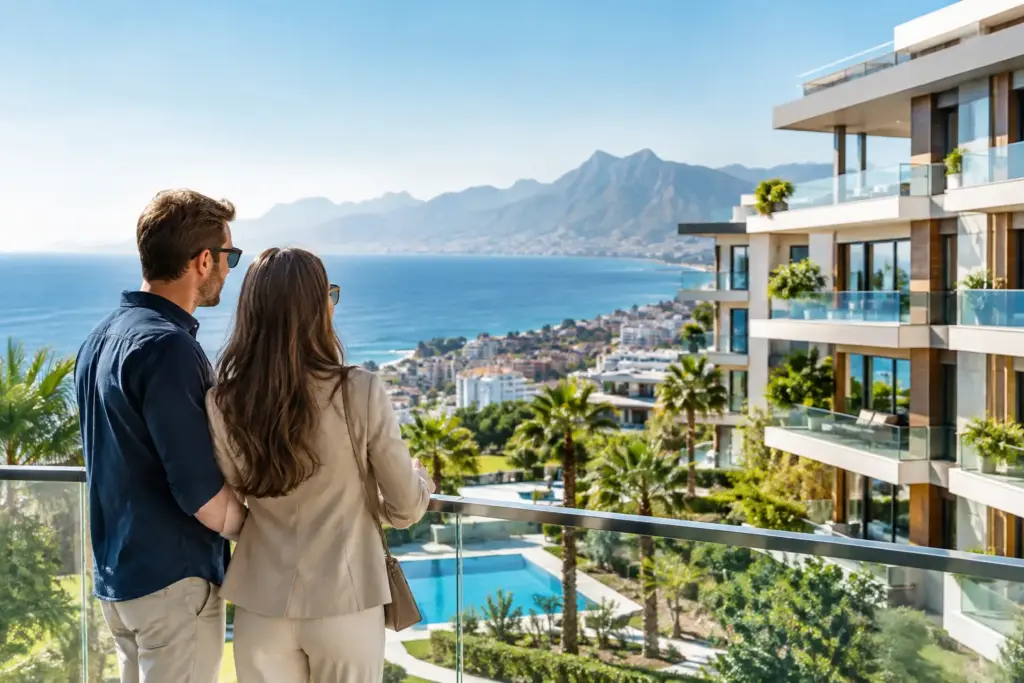
Before reviewing available properties, it is worth honestly defining the main scenario. If the property is being purchased for personal residence, everyday comfort comes first: proximity to schools, hospitals, shops, parks, transport, and the quality of the area outside the tourist season. For an investor, rental potential, competition in the location, management costs, and resale potential are more important.
Sometimes these goals can be combined, but priorities then need to be established. For example, an apartment near the sea in Konyaaltı has strong potential for holidays and rental income, but the entry price may be higher than in actively developing areas. Kepez is often considered for urban living and long-term rentals: budgets are more accessible and local infrastructure is broader, but the atmosphere differs from that of the first coastline. Lara and Kundu attract buyers with their proximity to the sea, airport, and hotel infrastructure, but the specific value depends on the micro-location rather than simply the district name.
A buyer considering a residence permit or other immigration grounds should check the current rules before paying a deposit. They may change, as can the status of individual neighborhoods and documentation requirements. Property should not be chosen solely because of a marketing phrase such as “eligible for a residence permit.”
Antalya Districts: Assess the Route, Not Just the Point on the Map
Distance to the sea is important, but by itself it guarantees neither quality of life nor income. Five hundred meters on a map can mean an easy walk along a flat street or a route through a busy highway, construction site, and elevation changes. Therefore, when choosing a property, it is necessary to assess actual routes to the beach, supermarket, public transport stop, school, and airport.
A promising location usually has several demand drivers rather than just one: transport, jobs, social infrastructure, proximity to the sea or business center. It is also worth looking at what will surround the complex in two or three years. A vacant plot nearby may become a park, or it may turn into high-rise development that blocks the view and increases the supply of rental apartments.
For a remote buyer, an online street view, a video route to key destinations, and checking the area at different times of day are particularly useful. Quietness during the day does not rule out heavy evening traffic, while a lively summer neighborhood may change significantly in winter.
How to Check the Developer and the Project Itself
A new development sells the future, so the reliability of the developer carries more weight than an impressive showroom. Check the company’s experience, completed projects, adherence to deadlines, the quality of finishes one or two years after completion, and the reputation of the management company. It is useful to see not only the current project, but also the developer’s completed buildings, talk to owners, and assess the actual condition of common areas.
The documents should confirm the developer’s rights to the land, the construction permit status, the technical characteristics of the apartment, and the conditions for transferring ownership. It is important to understand whether the stated area matches the documents, what exactly is included in the price, whether there are encumbrances, and what payments arise before receiving the TAPU — the title deed.
The contract is a separate issue. It should specify the price, payment schedule, completion date, specifications, responsibilities of the parties, and procedures in the event of changes to deadlines. “Turnkey” can mean different sets of furniture, appliances, and finishes. The more detailed the specification, the less room there is for unpleasant surprises when accepting the apartment.
Choosing a New Development in Antalya as an Investment
Investment attractiveness is not determined by a single figure. Advertising may promise up to 12% annual rental returns or capital appreciation of up to 40% during the construction stage, but such figures depend on the entry price, holding period, exchange rates, rental format, season, and quality of management. They should be considered a possible scenario rather than a guaranteed result.
A proper calculation includes more than just the apartment price. The budget should include taxes and registration costs, the annual aidat — the fee for maintaining the complex, insurance, furnishing, utilities, management company fees, a repair reserve, and periods of vacancy. In a complex with a large pool, security, fitness room, and landscaped grounds, monthly expenses can be significant. Such amenities support rental rates and liquidity, but only if demand in the location justifies them.
A liquid property is easier to sell because it is understandable to the next buyer. Most often, this means an apartment with a practical layout, a quality building, transparent documentation, reasonable maintenance costs, and a location with steady demand. An unusual layout, excessive floor area, or a high price based solely on the view can narrow the pool of buyers when exiting the investment.
Layout and Specifications: What You Experience Every Day
In renders, all apartments look spacious. In reality, usable space is more important: is there enough storage, how functional is the kitchen, where do the windows face, does the apartment overheat in summer, and how is ventilation organized? For rental purposes, compact but well-designed 1+1 and 2+1 layouts often perform well. For family living, it is worth assessing the number of bathrooms, balcony size, sound insulation, and the possibility of creating proper workspaces.
Ask for a detailed specification: the brand of sanitary ware, type of windows, air-conditioning system, kitchen furniture, household appliances, and flooring. In a quality project, these questions should not cause irritation, because the buyer is making a significant financial commitment and needs to understand what they are paying for.
Controlling the Deal from Abroad
A remote purchase is possible, but it should not be a “purchase based on trust.” A safe process includes a video viewing, document verification by independent specialists, a clear contract, payment control, and a power of attorney with clearly defined authority if one is required. After the apartment is handed over, acceptance, utility connections, insurance, furnishing, and, in an investment scenario, transferring the property to management are required.
Turkey Property Group accompanies this process from the initial financial selection to ownership registration and post-sale tasks. For the client, this means more than access to a catalog: it provides an opportunity to compare several strategies — a ready property for immediate occupancy, a new development with an installment plan, or an apartment focused on rental income.
The strongest decision emerges where the emotion of being near the sea is supported by figures, documents, and a real understanding of the area. Choose not the loudest promise, but a property where you or your tenant will be comfortable living — this criterion most often protects both the owner’s capital and peace of mind.