

Buying an apartment by the sea in Marbella, Barcelona, or Mallorca no longer provides an automatic route to an investor residence permit. The Spain Golden Visa in the form of real estate investment ceased to be available on April 3, 2025. For a buyer, this is not a reason to abandon a Spanish asset, but it is a reason to clearly separate two goals: acquiring liquid real estate and obtaining the right to reside in the country.
Spain remains one of Europe’s strongest markets for personal use, rental income, and capital diversification. However, the logic of the transaction has changed. Previously, an investor could combine the purchase of a property worth €500,000 or more without mortgage financing with obtaining a residence permit. Now, real estate is assessed primarily based on location, rental potential, quality of the development, and capital appreciation prospects, while the immigration solution is selected separately.
Why the Spain Golden Visa Was Popular
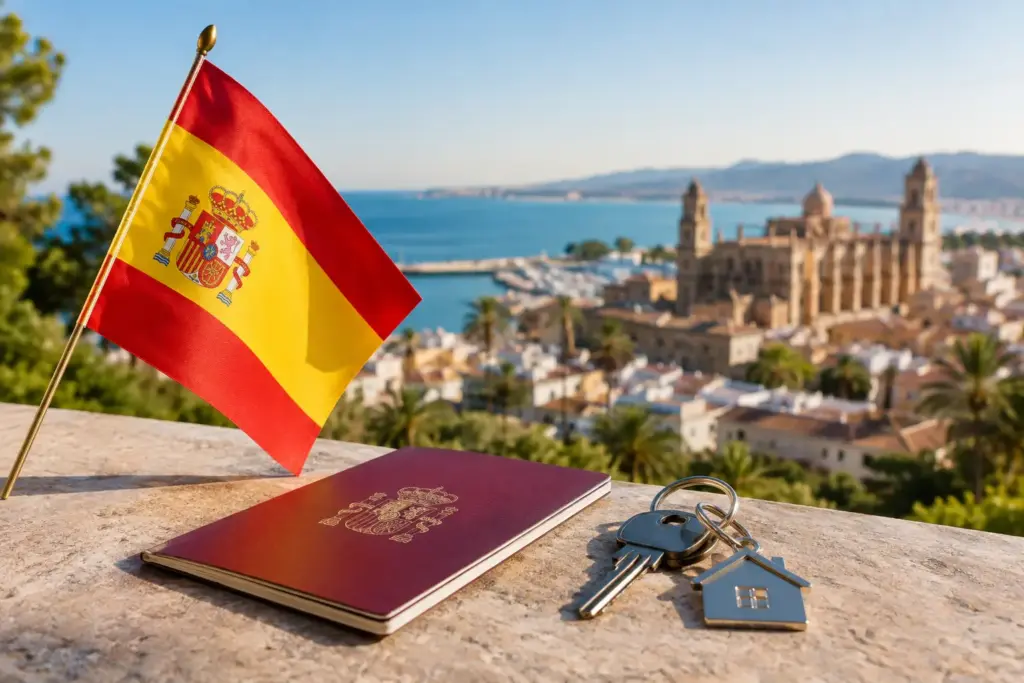
The investor program, known as the Golden Visa, had been in place since 2013. The most common route was the purchase of one or more apartments, houses, or commercial properties worth at least €500,000. The main requirement was that this portion of the investment had to be paid with the buyer’s own funds. If the property cost more, financing was allowed only for the amount above the established threshold.
The program was valued not only for resident status. It allowed an applicant to include a spouse, minor children, and in certain cases financially dependent adult children and parents. There was no requirement to reside permanently in Spain to maintain the permit, making the format convenient for international entrepreneurs, business owners, and families who did not plan to relocate immediately.
At the same time, the Golden Visa was never synonymous with tax residency or citizenship. Tax residency generally arises if a person spends more than 183 days per year in the country or has their center of vital and economic interests there. The path to Spanish citizenship for most foreigners involves a long period of legal residence, integration requirements, and an assessment of the specific circumstances.
What Changed After April 3, 2025
New applications for an investor residence permit based on the purchase of real estate are no longer accepted. The Spanish authorities explained the reform by the need to reduce pressure on the housing market, particularly in cities and popular resort regions. The practical consequence for investors is simple: a property purchase agreement, even for an amount exceeding €500,000, does not by itself create grounds for obtaining a residence permit.
It is also important to consider transitional provisions. Applications submitted before the new rules entered into force are processed under the previous procedure. Holders of valid investor permits and their family members retain the possibility of renewing their documents under the conditions that applied when the status was obtained. However, eligibility for renewal, family composition, card validity periods, and the supporting documents required should be checked individually.
A transaction should not be based on the assumption that notarization or registration of ownership rights can compensate for the absence of an immigration basis. These are different legal processes: one confirms ownership of an asset, while the other establishes the legality of residence in the country.
Is It Worth Buying Real Estate in Spain Without a Residence Permit?
Yes, if the property fits your financial strategy. Spanish real estate can be a strong asset for family use, seasonal rental, or long-term capital preservation in euros. High-quality developments by the sea, properties with a tourist license where available, new developments with services, and projects in areas with stable international demand are particularly sought after.
However, an investment cannot be assessed solely by the beautiful view from the terrace. In Barcelona, Madrid, the Balearic and Canary Islands, Valencia, and along the Costa del Sol, the rules for short-term rentals, licensing, and restrictions on tourist apartments differ not only between regions but sometimes between municipalities as well. A high projected return is irrelevant if a specific property cannot legally be rented in the required format.
Before reserving a property, it is important to calculate the full economics of ownership: purchase price, taxes and transaction costs, development maintenance fees, insurance, utilities, property management services, repair reserves, and rental income tax. For non-residents, the currency structure of the capital and the way income is declared in the country of tax residence are also important.
If the goal is personal residence, the criteria change. Families usually assess not only the distance to the beach but also international schools, healthcare, transportation, year-round infrastructure, and the area’s liquidity outside the summer season. An apartment in a premium development may be easier to manage, while a villa offers more privacy but requires a higher maintenance budget.
What Alternatives Are Available for Relocation?
The cancellation of the program does not mean that Spain has closed its doors to foreigners. It simply means that the basis for residence must be selected according to the applicant’s actual lifestyle and source of income.
Non-Lucrative Visa
This option is suitable for people with sufficient passive income, savings, dividends, or income from assets outside Spain. It may be relevant for affluent families and retirees who want to live in a mild climate but do not plan to work in the country. The key issue is proving sufficient financial means and complying with restrictions on employment.
Digital Nomad Visa
This format is designed for professionals and entrepreneurs who work remotely for foreign companies or clients. It may be more practical than the former investor program for an online business owner, IT specialist, consultant, or creative professional. The important factors include the structure of contracts, income level, education or professional experience, and tax planning before relocation.
Entrepreneurial Route
Founders of projects that have an innovative or economic value for Spain may be able to obtain a residence permit as entrepreneurs. This is not a formal replacement for purchasing an apartment: the business idea and its benefit to Spain are assessed separately. This route should be considered when a company genuinely plans to have a team, product, investment, or operational activity in Spain.
There are also other investor categories related not to residential property but to financial investments or business projects. Their applicability depends on the capital structure, applicant’s nationality, source of funds, and current requirements. In such matters, decisions should be made only after an individual legal and tax assessment.
How to Structure a Safe Spanish Real Estate Transaction
It is worth starting not with the choice of an apartment, but with an investment brief. Define your budget in euros, investment horizon, acceptable level of risk, desired income model, and need for residence. For some buyers, the priority will be a new development in Marbella with professional management; for others, an apartment in Valencia for children studying in Europe, or a house in Mallorca for personal seasonal use.
The next step is to verify the property’s legal status, the seller’s right to dispose of it, existing encumbrances, owners’ association rules, licensing status, technical documentation, and actual ownership costs. For new developments, it is especially important to analyze the developer’s reputation, payment guarantees, completion dates, and finishing specifications. For secondary-market purchases, attention should be paid to the property’s history, community debts, and possible restrictions on renovations or rentals.
An international transaction requires coordination between the bank, lawyer, tax consultant, translator, and, if necessary, property management company. That is why the process should be structured as a single workflow: from verifying the source of funds and reserving the property to registering ownership, arranging insurance, handing over the keys, and organizing subsequent management.
A Spanish home by the sea can remain both a place for family holidays and a euro-denominated asset. However, in 2025 it should be purchased not because of the promise of an “automatic” visa, but because of its quality location, clear economics, and a residence plan that actually fits your circumstances.